Protect Your Child: Early Exposure To Betting Could Create Long-Term Harm
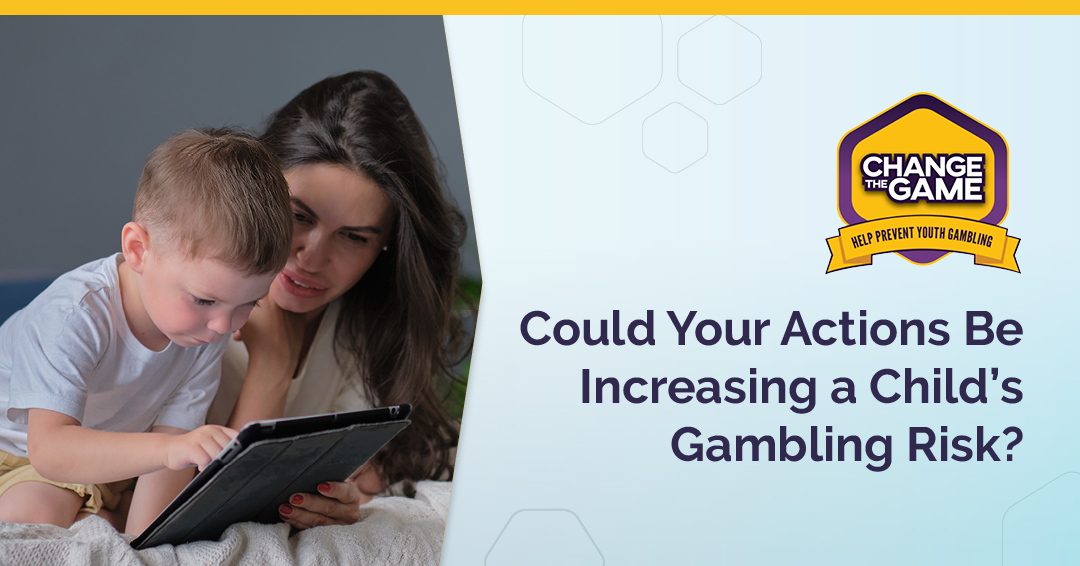
Published: January 5, 2026
All ages, from toddlers to seniors, are affected by social media’s explosive expansion this decade. As more research explores these impacts, parents and guardians have a duty to stay on top of the trends to protect their children. With sports betting and video games even more widespread, children who are exposed to this behavior at an early age are much more likely to develop a gambling disorder or other long-term risks.
Gambling comes in all forms.
Children are exposed to gambling mechanics through all kinds of games, social apps, and even more traditional activities like trading cards. The best thing you can do to keep a child safe is to become aware of how betting can present itself to developing minds. For instance, many pre-teens become interested in sports betting apps and fantasy leagues — often from watching a trusted adult participating in those activities around them. Or, they may become prone to risk-seeking if they play phone games or video games that feature high-risk, high-return rewards like loot boxes. Unlike traditional casinos, these platforms provide 24/7 access to gambling and gambling-like mechanics from anywhere, including the home, with little to no protective supervision.
This issue affects more than Ohio youth. A recent study published in JAMA Pediatrics found that roughly 3 of every 10 Minnesota teens, grades eighth through eleventh, reported gambling in the past year. The study’s author, Serena M. King, PhD, professor of psychology at Hamline University, found that of those 83,545 students surveyed, 6,603 gambled at least once per week. Given the amount of youth interacting with gambling today, it’s crucial for parents and caregivers to understand the widespread risks of youth gambling and how to protect their children from it.
How you can help prevent early exposure
As young people’s minds develop, they naturally mirror their caretakers’ behaviors, including engagement with sports betting and gambling. Remember that lottery tickets and scratch-offs do not make appropriate gifts for youth. Because their brains are still developing, children are often unaware of the long-term harm gambling can have, which leaves it up to adults to do their part to model positive behaviors and help protect children from these potential risks. If you care for or work with children, here’s what you can do to help make sure they are not exposed to gambling before they are of legal age to engage:
- Be Aware: Gambling isn’t just found in casinos. Gambling-like activities are present in even kid-friendly spaces, from iPad games to card-unboxing videos. Be aware of both what your child consumes and the larger picture of chance-based games.
- Check for Risks: Monitor the games and activities your child engages in and check to see if risky material is present. If random chance is a factor in winning, then risky gambling mechanics might be present.
- Guide Their Choices: Preventing risk starts with having a conversation. By talking with your child about gambling, the potential harms, and the boundaries you feel are right, you are guiding your child’s choices now and for the future.
Additionally, watch this quick video to see how you can protect your child from gambling related-harms and initiate important discussions about the risks of youth gambling.
Since access to betting is continuing to increase, it’s extremely vital to educate your child on the risks of participating in betting or other gambling-related activities. You may be able to avoid it in the home, but the outside world is not child-proofed and requires your attention. For more youth gambling prevention tips, visit ChangeTheGameOhio.org.