The High Stakes of Youth Gambling
Published: June 22, 2026
When most people think of gambling, they might imagine dimly lit casinos and flashing lights on top of slot machines. In 2026, the reality is gambling includes many more activities that children are finding ways to regularly engage in — including sports betting, prediction markets, and video games featuring skins betting, loot boxes, and more.
Within the past few years, experts have raised concerns about the impacts increased gambling accessibility could have on youth. This year is different. Some experts are now calling youth gambling a public health crisis.
What is a public health crisis?
The Center for Disease Control and Prevention (CDC) defines a public health emergency (also known as a public health crisis) as an event that can impose harm to a person or community’s health. The most commonly known events could be disease outbreaks like COVID and natural disasters like Hurricane Katrina. The lesser recognized events include situations with substance use like the opioid epidemic and now, youth gambling. While efforts grow towards solutions to help those impacted and strengthen prevention, there are also things parents, educators, and other caretakers can do to help — starting with awareness.
“It’s non-stop”
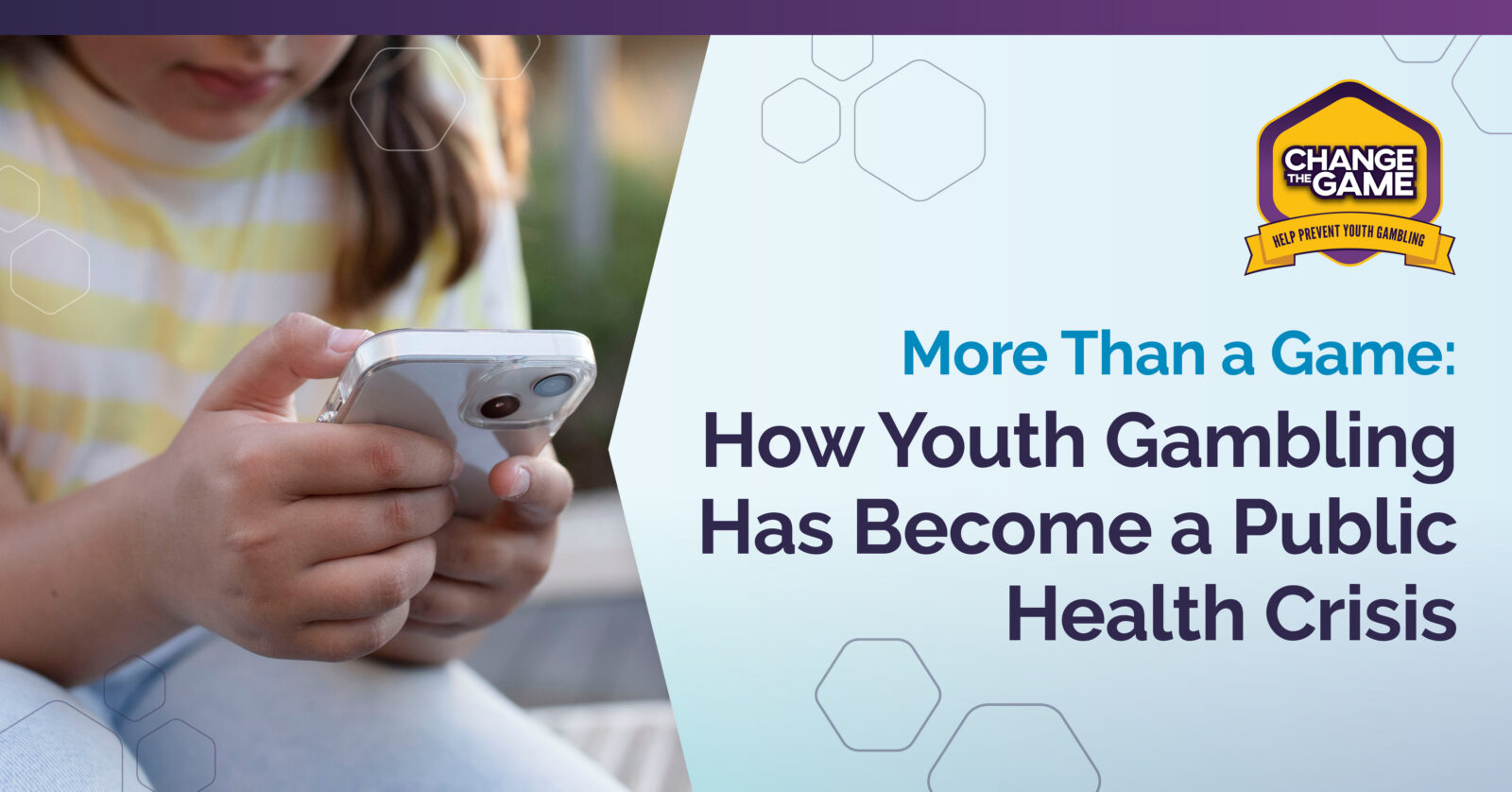
Almost every teen has a phone now but they aren’t just used for talking. For many, it’s a mobile casino — offering constant reminders to place bets wherever they go. Bryan Biehl was one out of many teens impacted by this. Biehl shares with ABC News that he began gambling at 16 and was later diagnosed with a gambling disorder in his 20s. Sitting on credit card debt of around $50,000, Biehl explains he tried stopping but the constant emails and texts from gambling operators made it difficult. Companies were even offering him financial incentives to deposit more money (ABC News). “It’s non-stop,” Biehl said.
The solution? Talk about it together
Having conversations about the risks associated with gambling and betting is key to preventing further gambling disorders among youth — according to Matt Missar, a substance use disorder counselor in Pittsburgh (NPR). Here are a few tips Missar advises parents when starting the conversation with kids.
- DO: Let the conversation happen naturally. Gambling ads are a great entry point when you’re with your child. Start with “I see these ads all the time. Do you?” and continue asking questions that feel natural and conversational.
- DON’T: Lead with judgement or confrontation. If the conversation starts off emotionally-driven because you catch them betting, then they may feel personally attacked and try to hide their activity from you in the future.
- DO: Work responsible betting awareness and gambling prevention whenever the opportunity is present. Ads or mentioning stories you’ve heard about negative gambling experiences during a related activity like a sporting event are ways you can teach positive behaviors without push-back.
- DON’T: Only have one conversation about the risks associated with betting. Michael Robb, head of research at Common Sense Media says it’s best to spread awareness overtime in conversations when it makes sense, and not as “one-time warning”.
The more you let your child open up and listen without judgement, the more likely they will listen to you. To help parents start the conversation, check out the Parent Guide. Change the Game Ohio also offers a quiz to gauge if your child is at risk, as well as a classroom handout and editable PowerPoint presentation for educators and professionals.
Visit Change the Game Ohio to get more youth gambling prevention tips for parents, educators, and professionals. Stay updated on youth gambling by following us at @Pausebeforeyouplay_oh on Instagram, @PBYP_OH on X, and Pause Before You Play on Facebook.
Worried your child might be affected by gambling? Call the free and confidential Ohio Problem Gambling Helpline at 1-800-589-9966 or text 988. Qualified specialists are ready to take your call 24/7, completely confidential with no judgment. Additionally, the Ohio Gambling Telehealth Network now offers virtual telehealth services at no cost.